

Call Your Representatives About Renewable Energy!
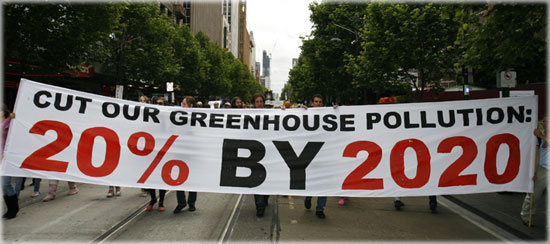
Ok, normally I try not to post too much of this kind of stuff, but I can’t urge you all enough to contact your representatives (if you’re not sure who they are, go to this site.)
From MoveOn:
Did you know the U.S. right now gets only 2% of our electricity from clean energy sources like solar and wind? We have the technology. We know people want it. We just haven’t had the political will.
But Congress is voting this week on H.R. 969, a bill that will dramatically boost solar and wind energy. If it passes, it’ll be like taking 37 million cars off the road.1 Along with the rest of the energy package, it’ll be the biggest step in two decades toward a clean planet and affordable energy.
Big oil and coal are fighting the bill hard, because it would undercut their stranglehold on our economy. That’s why Congress needs to hear from the public that clean energy is a priority.
The bill requires utilities to increase the percentage of electricity produced from wind, biomass, geothermal, and solar energy sources. If it passes, utilities nationwide will produce 20% of their electricity from renewable energy sources by 2020. This bill alone will reduce 511 million tons of global warming pollution.
See full text at Grist, with citations (for some reason I can’t find it on their site anywhere…)
If calling makes you nervous, just remember that aside from a hand-written letter, a call is the next best thing to get your voice heard. It’s easier to use scripts if you’re short on time. Here’s a sample message you can leave: “Hello, my name is ____ and I live in_____. I’m calling to urge Rep. _____ to cosponsor the H.R. 969, the Udall
(D-NM)-Platts (R-PA) renewable electricity standard.”
It takes less than a minute, and you’ve gotten your nudge in there for 20% by 2020. Do it today before they vote!
At the very least, sign MoveOn’s petition.

Starre Vartan
Starre Vartan is founder and editor-in-chief of Eco-Chick.com and the author of the Eco-Chick Guide to Life. She's also a freelance science and environment writer who has published in National Geographic, CNN, Scientific American, Mental Floss, Pacific Standard, the NRDC, and many more. She lives on an island in Puget Sound with her partner and black cat. She was a geologist in her first career, and still picks up rocks wherever she goes.


